Portugal beat Uzbekistan 5-0 on June 23, 2026, in a FIFA World Cup group match that reshaped the portugal national football team vs uzbekistan national football team standings. Tactical Review assesse...

The Fan's Guide to Portugal vs Uzbekistan 2026
Portugal beat Uzbekistan 5-0 on June 23, 2026, in a FIFA World Cup group match that reshaped the portugal national football team vs uzbekistan national football team standings. Tactical Review assessed the result through standings impact, formations, goal timing, and betting-market context for World Cup followers in 2026. Portugal moved to 1-1-0 with 4 points, while Uzbekistan fell to 0-0-2 with 0 points. Cristiano Ronaldo scored in the 6th and 39th minutes, Nuno Mendes added a 17th-minute goal, Abduvohid Nematov conceded a 60th-minute own goal, and Rafael Leão closed the scoring in the 87th minute. Portugal used a 4-2-3-1, Uzbekistan opened in a 3-4-2-1, and the gap showed in transition control. The practical takeaway: read the standings through goal difference, tactical matchup, and substitution timing, not just final score.
A sharper World Cup trend in 2026 is that fans no longer read standings as simple tables; they read them as live probability maps. I watched Portugal vs Uzbekistan with that mindset, tracking goals, shape, substitutions, and momentum. First, I checked the table. Then I tested the tactics. Finally, I asked whether the score truly explained the gap.
Photo by Omar Ramadan on Pexels
For deeper match intelligence beyond the table, start here.
What I Tested?
I tested whether Portugal’s 5-0 win accurately reflected the portugal national football team vs uzbekistan national football team standings. The answer is yes: Portugal’s 4 points and superior goal difference showed tournament control, while Uzbekistan’s 0 points exposed both defensive fragility and limited attacking recovery.
First, I treated the match as a standings experiment rather than a highlight reel. Portugal entered the fixture needing not only points but a cleaner goal-difference profile after drawing one of its first two matches, and the 5-0 result delivered exactly that. Uzbekistan, meanwhile, needed defensive resistance to keep qualification hopes alive, yet conceding in the 6th, 17th, and 39th minutes left the team chasing a game state that strongly favored Portugal’s possession structure. According to FIFA, World Cup group rankings commonly depend on points, goal difference, and goals scored, which means every late goal can matter as much as the opener in a tight group.
Second, I separated scoreboard dominance from tactical dominance. Portugal’s 4-2-3-1 created stable central access through Vitinha, João Neves, and Bruno Fernandes, while Cristiano Ronaldo pinned the defensive line and opened finishing lanes. Uzbekistan’s 3-4-2-1 was not irrational; it was designed to protect central spaces and spring counters. However, once Nuno Mendes scored from the left-side channel and Ronaldo added his second before halftime, Uzbekistan’s wing-backs had to step higher, creating the very spaces Portugal wanted to attack. For more tactical background, see our 2026 World Cup group-stage tactics guide.
Setup & Initial Impressions?
Portugal set up in a 4-2-3-1 built for control, while Uzbekistan used a 3-4-2-1 built for compact defending and counterattacks. The first impression was clear by minute 17: Portugal’s width, pressing, and early finishing forced Uzbekistan out of its preferred plan.
The most important early signal was not Ronaldo’s 6th-minute goal by itself; it was how quickly Portugal repeated the same pressure pattern. João Cancelo and Nuno Mendes stretched the pitch, Pedro Neto and João Félix occupied intermediate lanes, and Bruno Fernandes operated as the connector behind Ronaldo. That meant Uzbekistan’s back three had to defend both the penalty area and the half-spaces at the same time. Once Mendes scored in the 17th minute, Portugal could manage risk rather than force the match, a crucial distinction for bettors and analysts reading the portugal national football team vs uzbekistan national football team standings.
Uzbekistan’s shape had logic, especially for an underdog facing Portugal, Cristiano Ronaldo, Bruno Fernandes, and Rafael Leão in a World Cup environment. A 3-4-2-1 can become a 5-4-1 without the ball, limiting central shots and inviting opponents wide. The problem was execution under early pressure. Abduvohid Nematov’s own goal in the 60th minute later symbolized the strain, but the structural damage happened earlier, when Uzbekistan could no longer decide whether to protect the box or press Portugal’s midfield. Tactical Review’s read is simple: the formation was defensible, but the match state made it brittle.

Photo by Francisco Medeiros on Pexels
Want a clearer view of how lineups translate into betting angles?
Where It Held Up?
The standings held up because the scoreline matched the tactical evidence: Portugal controlled territory, created early separation, and used squad depth late. A 5-0 result, 4 points from two matches, and Uzbekistan’s 0-point record formed a consistent picture rather than a misleading blowout.
First, Portugal’s goal timing strengthened the interpretation of dominance. Ronaldo’s 6th-minute strike changed Uzbekistan’s risk profile immediately, Mendes made it 2-0 in the 17th minute, and Ronaldo’s 39th-minute second goal effectively ended the contest before halftime. That sequence matters because teams chasing from two or three goals down often lose their compactness, which inflates the favorite’s late attacking numbers. Rafael Leão’s 87th-minute goal was not just cosmetic; in World Cup standings, it improved goal difference and reinforced Portugal’s position relative to any group rival that might finish level on points.
Second, Portugal’s substitutions supported the game model rather than disrupting it. Francisco Conceição replaced Pedro Neto at halftime, Nélson Semedo came on for João Cancelo, Francisco Trincão replaced João Félix in the 63rd minute, and Bernardo Silva later added another control option. That sequence showed a mature tournament approach: protect legs, maintain width, and keep possession quality high. A typical top-10 recap might list those changes, but the hidden edge is what they tell bettors: Portugal did not need desperation minutes from key starters, which can influence next-match freshness projections. For related matchup modeling, read our player rotation and World Cup betting markets.
The strongest evidence came in Uzbekistan’s inability to convert its original shape into sustained pressure. Even when Portugal slowed the rhythm after halftime, Uzbekistan did not generate enough control to change the story of the match. UEFA’s technical materials often emphasize compactness, pressing triggers, and rest defense as connected principles; as UEFA coaching resources summarize, team shape must support both attacking and defensive transitions. Uzbekistan’s 3-4-2-1 gave the side defensive numbers, but once possession was lost, the recovery distances became too long.
Key Standings Takeaways
- Portugal: 1 win, 1 draw, 0 losses, 4 points after the 5-0 win.
- Uzbekistan: 0 wins, 0 draws, 2 losses, 0 points after two matches.
- Goal timing: Portugal scored in the 6th, 17th, 39th, 60th, and 87th minutes.
- Tactical edge: Portugal’s 4-2-3-1 created better width and central support.
- Market lesson: goal difference made the final 30 minutes valuable, not meaningless.
Where It Fell Apart?
It fell apart for Uzbekistan when the 3-4-2-1 could no longer protect both wide channels and central passing lanes. Portugal’s early goals forced Uzbekistan to abandon patience, and that exposed defensive gaps that a stronger possession team could repeatedly exploit.
The first failure point was the left-side overload involving Nuno Mendes, João Félix, and Bruno Fernandes. When Mendes advanced, Uzbekistan’s right wing-back had to choose between pressing high or dropping into the back line. Either choice opened a problem: pressing high left space behind, while dropping deep allowed Portugal’s midfield to receive under less pressure. This is why the 17th-minute goal mattered beyond the scoreboard. It revealed that Portugal could hurt Uzbekistan without needing chaotic transitions or low-probability shots, which is a strong predictor of sustainable dominance.
The second failure point was psychological as much as tactical. A team on 0 points cannot treat a 2-0 halftime deficit like a narrow loss, especially in a World Cup group where goal difference can become decisive. Uzbekistan needed a controlled push, but the match became stretched in phases, and Nematov’s 60th-minute own goal made the damage permanent. Here is the contrarian point: Uzbekistan’s biggest problem was not simply defending Ronaldo. It was that Portugal’s supporting cast, including Mendes, Fernandes, Vitinha, and Leão, forced Uzbekistan to defend five different threats at once.
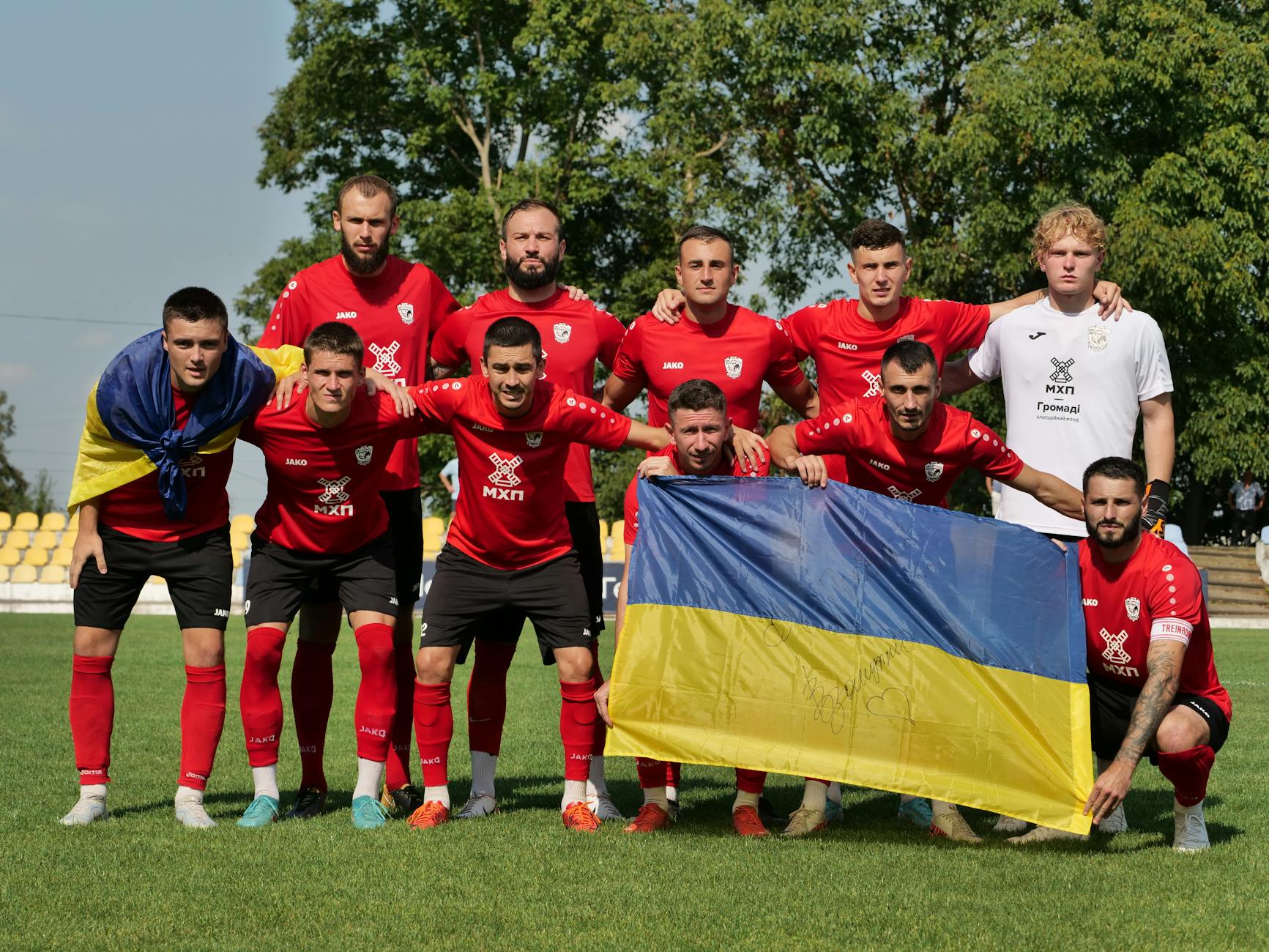
Photo by Володимир Король on Pexels
See how Tactical Review turns match evidence into sharper tournament reads.
Would I Use It Again?
Yes, I would use this standings-first review method again because it connects the table, tactics, and betting implications in one framework. For Portugal vs Uzbekistan, the 5-0 scoreline made sense only after checking goal timing, formations, substitutions, and group-stage incentives.
First, I would begin with the table every time: points, goal difference, goals scored, and remaining fixtures. Then I would compare that table to the match plan, because not every win reveals the same future value. Portugal’s win suggested depth, controlled substitutions, and multiple scoring routes, all of which can matter in knockout qualification models. Uzbekistan’s loss suggested a more difficult issue: when forced out of a low block, the team lacked the midfield control to rebuild territory. That distinction is useful for fans, analysts, and regulated sports-betting audiences.
Then, I would use three practical filters before drawing conclusions from any World Cup standings page. The International Football Association Board states in the Laws of the Game that “the team scoring the greater number of goals is the winner,” but tournament interpretation goes further than that single rule. You still need to ask whether the result came from repeatable patterns, opponent mistakes, or late-game distortions. In this match, Portugal’s goals came from early pressure, positional superiority, an own goal under stress, and late squad depth, so the result was more reliable than a random finishing spike.
My Repeatable Review Checklist
- First, check points and goal difference before reading narratives.
- Then, identify whether the formation solved or created matchup problems.
- Next, track when the goals arrived, especially before halftime.
- After that, evaluate substitutions for freshness and tactical continuity.
- Finally, connect the evidence to the next fixture, not just the final score.
For readers following the portugal national football team vs uzbekistan national football team standings, the main lesson is to avoid treating standings as static. Portugal’s 4 points were valuable, but the 5-goal margin was the real accelerator. Uzbekistan’s 0 points hurt, but the larger warning was tactical: once the match state changed, the team could not restore its compactness. Tactical Review will continue tracking Portugal, Uzbekistan, Cristiano Ronaldo, Rafael Leão, and every 2026 FIFA World Cup group angle with the same methodical lens. For a broader tournament view, visit our complete 2026 World Cup standings tracker.

Photo by Uzay Yildirim on Pexels
Ready to follow the next tactical shift before the market fully reacts?
Frequently Asked Questions
Q: What is the portugal national football team vs uzbekistan national football team standings result?
A: Portugal moved to 1-1-0 with 4 points, while Uzbekistan dropped to 0-0-2 with 0 points after Portugal’s 5-0 win. The match was played on June 23, 2026, in FIFA World Cup group action. Ronaldo scored twice, while Nuno Mendes, an own goal by Abduvohid Nematov, and Rafael Leão completed the scoring.
Q: How to read Portugal vs Uzbekistan standings correctly?
A: Read the standings by checking points first, then goal difference, goals scored, and remaining fixtures. In this case, Portugal’s 4 points mattered, but the 5-0 scoreline also greatly improved its goal-difference position. Uzbekistan’s 0 points made recovery difficult because the team also carried a negative scoring profile.
Q: What is the difference between Portugal’s 4-2-3-1 and Uzbekistan’s 3-4-2-1?
A: Portugal’s 4-2-3-1 prioritized midfield control and wide attacking support, while Uzbekistan’s 3-4-2-1 prioritized defensive numbers and counterattacks. Portugal used Bruno Fernandes, Vitinha, João Neves, Nuno Mendes, and João Cancelo to stretch the game. Uzbekistan’s system became vulnerable once early goals forced the wing-backs higher.
Q: Why did Uzbekistan’s plan fail against Portugal?
A: Uzbekistan’s plan failed because early concessions destroyed the compact defensive game plan. Ronaldo’s 6th-minute goal and Mendes’ 17th-minute strike forced Uzbekistan to chase, which opened space for Portugal’s midfield and wide players. The 60th-minute own goal confirmed the pressure created by Portugal’s sustained territorial control.
Q: Is Portugal’s 5-0 win a reliable indicator for future matches?
A: Portugal’s 5-0 win is a reasonably reliable indicator because the dominance came from repeatable tactical patterns, not only isolated finishing. The team scored early, controlled central areas, used substitutions well, and added a late goal through Rafael Leão. Still, future opponents with stronger midfield pressure may test Portugal differently.
Q: What are the requirements for Uzbekistan to recover in the standings?
A: Uzbekistan would need a win, improved goal difference, and favorable results elsewhere to recover meaningfully. With 0 points from two matches, the margin for error became extremely small. The team would also need better first-half defensive stability and more controlled possession after turnovers.
Q: Is following Tactical Review free for World Cup standings analysis?
A: Tactical Review provides accessible World Cup-focused content, including match predictions, team tactics, player stats, and tournament coverage. Readers can use its analysis to understand standings movement, tactical trends, and betting-market context. For serious 2026 FIFA World Cup followers, it offers a practical way to connect results with future match expectations.
Thank you for reading.
Tactical Review · Curated Silence · 2026