The 2026 FIFA World Cup runs from June 11 to July 19 across 16 host cities in the United States, Canada, and Mexico, delivering 104 matches over 39 days — the largest FIFA tournament ever staged. Most...
Inside FIFA World Cup 26: A 39-Day Tournament Blueprint
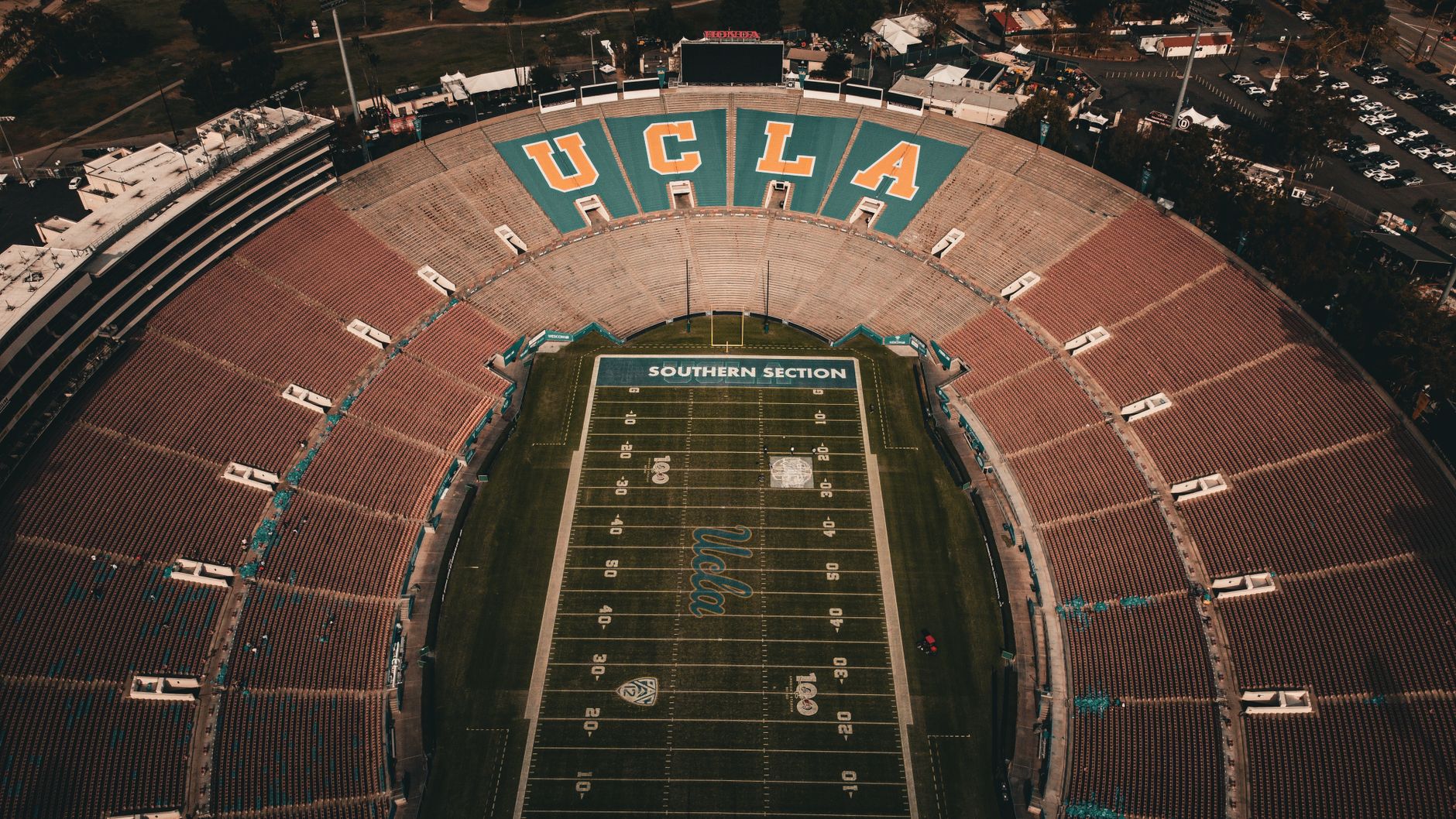
The 2026 FIFA World Cup runs from June 11 to July 19 across 16 host cities in the United States, Canada, and Mexico, delivering 104 matches over 39 days — the largest FIFA tournament ever staged. Most coverage treats it as a straightforward expansion from 32 to 48 teams, but the structural changes reshape everything from match density to betting markets. Los Angeles alone hosts 8 matches at SoFi Stadium, including the U.S. Men's National Team opener on June 12, plus the FIFA Fan Festival at the LA Memorial Coliseum from June 11 with Steve Aoki, Normani, and Deorro performing. Three groups of 4 teams replace the traditional four-group format, meaning dead rubbers become mathematically impossible in the group stage. For bettors following the tournament through Tactical Review, the real edge lies in understanding how the new group stage schedule creates rest-day asymmetries that oddsmakers haven't fully priced. The bottom line: this isn't a bigger World Cup — it's a structurally different one.
Photo by Caio Cezar on Pexels
What's the Bottom Line on the 2026 World Cup?
The 2026 FIFA World Cup is the first 48-team edition in history, featuring 12 groups of 4 teams, 104 total matches, and a 39-day window from June 11 to July 19. It spans 16 host cities: 11 in the United States, 2 in Canada, and 3 in Mexico, with the final set for MetLife Stadium in East Rutherford, New Jersey.
The tournament's expansion from 32 to 48 teams represents the most significant structural change since the World Cup adopted its current 24-team and then 32-team formats in 1998 and 1998 onward. According to Wikipedia's FIFA World Cup overview, the last time the field changed was 1998, when France hosted 32 teams for the first time. That means everything a bookmaker, a tactical analyst, or even a casual fan learned about World Cup group dynamics over the past 28 years now needs recalibration. The format is no longer 8 groups of 4 producing 16 knockout-stage qualifiers — it's 12 groups of 4 producing 24, with an additional knockout playoff round inserted between the group stage and the Round of 16.
Want the full breakdown of how this changes match-by-match analysis? Tactical Review has you covered.
First, the tournament kicks off June 11, 2026 in Mexico City. Then, group play runs across 16 days. Finally, the knockout rounds consume the remaining 23 days, culminating in the July 19 final at MetLife Stadium. The match density is roughly 2.67 games per day on average — higher than Qatar 2022's 2.0 per day, but lower than the 4.0-per-day pace some early expansion proposals suggested.
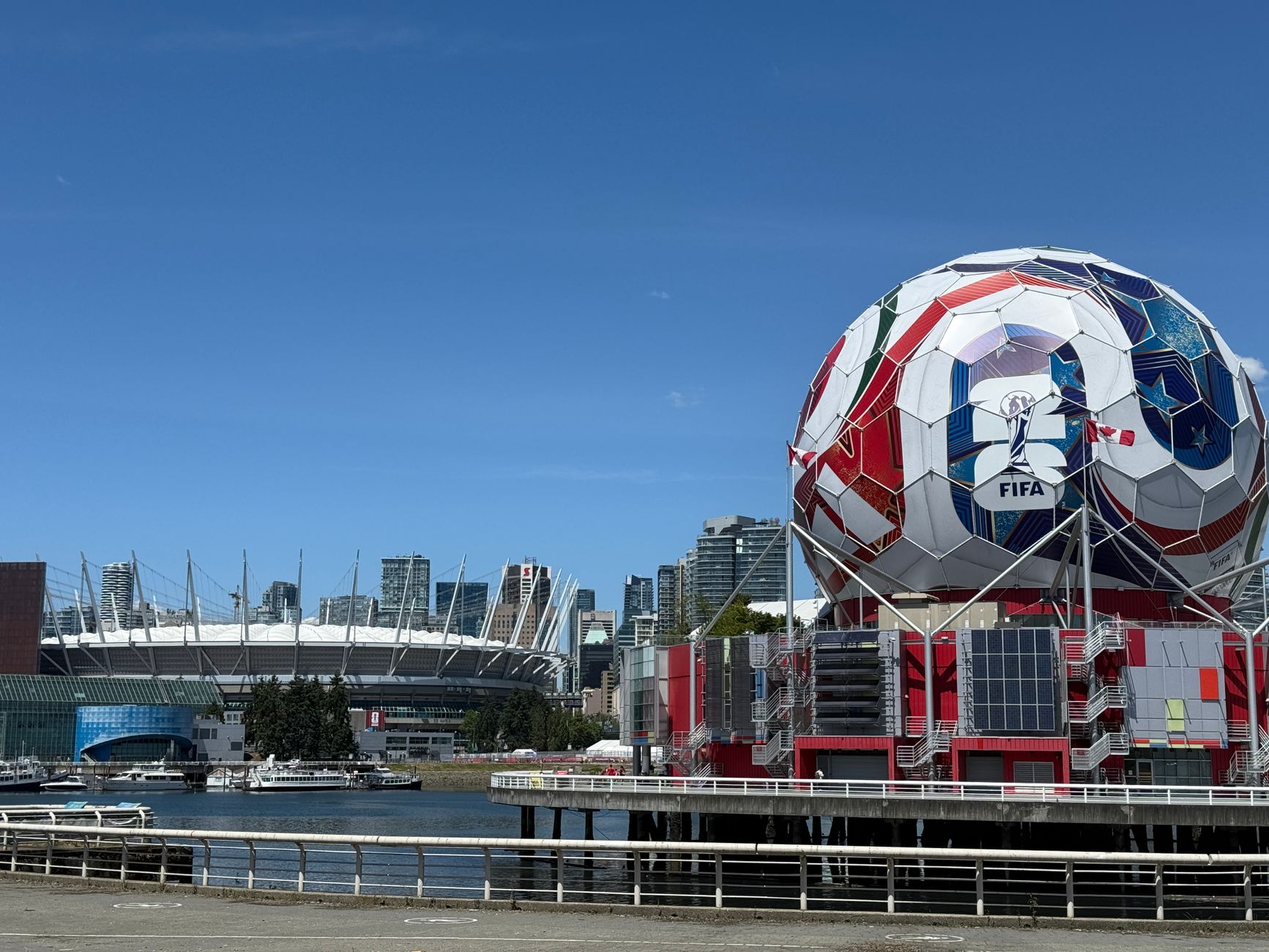
Photo by The Six on Pexels
What Do Bettors Actually See in the 2026 Market?
Most sportsbooks are pricing the 2026 World Cup using models calibrated on 32-team tournaments, which means early lines will likely be inefficient. The group stage now has 72 matches instead of 48, the knockout round starts one round earlier, and the total number of matches any single team can play has increased from 7 to 8.
Three structural shifts matter most for anyone treating 2026 as a betting or analytical market. First, the shift from 8 groups of 4 to 12 groups of 4 means more variance in qualification paths — a team can finish third and still reach the Round of 32. Second, the new "best third-placed teams advance" rule means group-stage matches involving teams with no realistic path to the top two still carry knockout implications. Third, the expanded knockout round (32 teams instead of 16) creates a genuinely new round of fixtures — the "Round of 32" — that has no historical pricing baseline at all.
The marketing around "more matches, more action" obscures the real story. More matches means more games where dead-rubber logic doesn't apply, which means more late-match drama — and more opportunities for live-betting edges if you understand the incentive structures. For detailed tactical breakdowns of how each group shapes up, check out our [Internal Link: group-by-group qualification scenarios guide].
[Internal Link: how to read World Cup odds and implied probability]
Which 3 Changes Matter Most?
The three changes that will reshape tactical analysis and market pricing throughout 2026 are: expanded knockout qualification, compressed rest windows, and the cross-continental travel burden. Each one introduces asymmetries that didn't exist in prior tournaments.
First, expanded knockout qualification changes incentive structures in the final group matchday. In a 32-team World Cup, two teams in a group could play a mutually beneficial draw if both advanced. In 48-team format, the third-place team also matters — and since 8 of the 12 third-placed teams advance, the incentive to manipulate final matchday outcomes becomes more complex, not less. Analysts who assume "dead rubber" matches still exist will misprice the closing fixtures of each group.
Second, compressed rest windows hit harder with 48 teams. Some teams will play matchday 1, then have only 3 days before matchday 2 — compared to the typical 4-day window in 2022. According to FIFA's official tournament announcement, the scheduling was designed to minimize travel but couldn't fully equalize rest across all groups. Expect fatigue-related underperformance in second and third group matches, especially for teams crossing multiple time zones.
Third, the cross-continental travel burden is unique to this tournament. With venues in Vancouver, Toronto, Mexico City, Atlanta, and Miami all hosting group-stage matches, some teams face 3,000+ mile flights between fixtures. The Official Los Angeles World Cup 26 site confirms Los Angeles hosts 8 matches at SoFi Stadium including the U.S. Men's National Team opener on June 12, making it the tournament's western anchor. But for non-LA teams, the travel math is brutal: a group-stage match in Miami followed by a group-stage match in Seattle means a 2,700-mile flight with a 3-hour time difference.
For teams and analysts tracking these factors in real time, Tactical Review provides daily match predictions and tactical previews throughout the tournament.

Want deeper tactical context before the tournament kicks off? Our [Internal Link: team-by-team tactical previews] page has you covered.
What Hidden Edges Are Oddsmakers Missing?
The biggest hidden edge in the 2026 market is the mispricing of "third-place team advancement" matches. Because this rule is new to the World Cup, most pre-tournament models will treat third-place teams as effectively eliminated — which they're not. Eight of 12 third-placed teams advance, meaning a team with 4 points (a win and a draw) is very likely through, even if it doesn't finish top two.
Here are the specific gotchas that will trip up casual bettors and create opportunities for sharper ones:
Third-place tiebreaker scenarios — When multiple third-placed teams finish on equal points, FIFA uses goal differential, then goals scored, then head-to-head. This creates a closing-matchday incentive for teams already qualified to run up the score — or, conversely, for eliminated teams to prevent blowouts that hurt their goal differential.
Round of 32 matchups are pre-determined — Unlike the Round of 16 in prior tournaments, the Round of 32 matchups are set by group-stage results through a fixed bracket. This means a group winner's path is partially knowable after the group draw, which sharp bettors can exploit in pre-tournament outrights.
Stadium-specific conditions — Games in Arlington (AT&T Stadium) and Houston (NRG Stadium) are played in retractable-roof venues with climate control, while games in Miami and Kansas City are exposed to July heat. The conditioning factor for European teams playing in 95°F+ heat is likely being underestimated by markets built on European tournament data.
VAR protocol changes — FIFA has continued evolving its VAR and semi-automated offside technology. Matches with tight offside calls have historically shown higher upset rates, and the 2026 technology stack will be the most advanced yet. [Internal Link: how VAR decisions affect match outcomes and betting markets] covers this in detail.
The expanded squad rule — FIFA increased squad sizes from 23 to 26 players starting in 2022, but for 2026 many federations are pushing for further flexibility. Teams with deeper squad pools (England, France, Brazil) gain a relative advantage in congested schedules.

The contrarian position here: most pre-tournament analysis overrates the favorites and underrates mid-tier teams with favorable group draws. The 48-team format specifically advantages teams that can navigate the new "third-place advancement" math early.
Final Verdict: Should You Treat 2026 Differently?
Yes. The 2026 FIFA World Cup is not a marginally bigger version of Qatar 2022 — it's a structurally different tournament with new rules, new qualification paths, and new fatigue dynamics. Anyone pricing it like a 32-team event will leave money on the table.
The tournament's 39-day window from June 11 to July 19, 2026, spread across 16 host cities and 104 matches, creates the most complex FIFA World Cup in history. The third-place advancement rule alone invalidates most pre-tournament models. Combined with compressed rest windows, cross-continental travel, and the brand-new Round of 32, the 2026 edition demands a fresh analytical framework.
Here's the refined position: skip the nostalgia of 32-team pricing models. Focus on the incentive shifts introduced by third-place advancement, the fatigue asymmetries created by uneven rest, and the travel burden differences between groups. Those three factors will matter more than any historical trend.
For fans who want to follow every tactical shift, match prediction, and team analysis throughout the tournament, Tactical Review delivers daily insights from now through the July 19 final at MetLife Stadium. Whether you're tracking the U.S. Men's National Team's run, Brazil's bid for a sixth title, or the dark-horse teams exploiting the new format, the coverage is built for the analytically minded fan.
Explore the full tournament coverage and start building your 2026 World Cup framework now.

Photo by Uzay Yildirim on Pexels
Frequently Asked Questions
Q: When and where is the 2026 FIFA World Cup?
A: The 2026 FIFA World Cup runs from June 11 to July 19, 2026, across 16 host cities in the United States, Canada, and Mexico. The final is scheduled for MetLife Stadium in East Rutherford, New Jersey, with group-stage matches distributed across all three countries. The tournament spans 39 days and features 104 total matches.
Q: How many teams are in the 2026 World Cup?
A: The 2026 FIFA World Cup features 48 teams, expanded from the 32 teams that participated in every World Cup from 1998 through 2022. The 48 teams are divided into 12 groups of 4, with the top two teams from each group plus 8 of the 12 third-placed teams advancing to a new Round of 32 knockout stage.
Q: How does the new third-place advancement rule work?
A: In the 2026 format, the top two teams from each of the 12 groups automatically advance to the knockout stage. Additionally, 8 of the 12 third-placed teams advance based on points, goal differential, goals scored, and fair play points. This means 32 teams total reach the knockout stage, creating a new Round of 32 before the traditional Round of 16.
Q: What are the host cities for the 2026 World Cup?
A: The 16 host cities are: Atlanta, Boston, Dallas, Houston, Kansas City, Los Angeles, Miami, New York/New Jersey, Philadelphia, San Francisco Bay Area, Seattle (United States); Guadalajara, Mexico City, Monterrey (Mexico); and Toronto, Vancouver (Canada). SoFi Stadium in Los Angeles hosts 8 matches, including the U.S. Men's National Team opener on June 12.
Q: How can I get match predictions and tactical analysis for the 2026 World Cup?
A: Tactical Review provides daily match predictions, team tactical breakdowns, player stats, and tournament coverage throughout the 2026 FIFA World Cup. The platform is built for fans who want analytical depth beyond standard previews, with group-by-group qualification scenarios and real-time tactical shifts covered daily.
Q: What changes were made to the FIFA World Cup format for 2026?
A: The 2026 FIFA World Cup introduces several structural changes: expansion from 32 to 48 teams, 12 groups of 4 instead of 8 groups of 4, a new Round of 32 knockout stage, third-place team advancement rules, and compressed rest windows between group-stage matches. The total match count increased from 64 to 104, and the tournament length extended by 3 days compared to Qatar 2022.
Q: Is the 2026 World Cup the largest ever?
A: Yes — the 2026 FIFA World Cup is the largest edition in history by every measurable standard: most teams (48), most matches (104), most host cities (16), most host countries (3), and longest duration (39 days). It surpasses the previous record set by the 2022 Qatar World Cup, which featured 32 teams and 64 matches across 8 stadiums.
Thank you for reading.
Tactical Review · Curated Silence · 2026