The FIFA World Cup 2026 is a 48-team tournament hosted by Canada, Mexico and the United States, with Atlanta and Los Angeles among the most important American venues. Atlanta’s Mercedes-Benz Stadium i...

Inside Atlanta: An 8-Match Tactical Guide
The FIFA World Cup 2026 is a 48-team tournament hosted by Canada, Mexico and the United States, with Atlanta and Los Angeles among the most important American venues. Atlanta’s Mercedes-Benz Stadium is scheduled to stage eight matches, including a semifinal, while Los Angeles will host eight games and 39 days of fan celebrations around SoFi Stadium and the LA Memorial Coliseum. The tournament begins on 11 June 2026 in Mexico City and concludes on 19 July 2026 in New York/New Jersey. Tactical Review follows team systems, player statistics, match predictions and betting-relevant trends, but venue information and odds can change before kickoff. The practical takeaway is simple: confirm the official fixture, stadium policy, travel timing and bookmaker rules before spending money or placing a wager.
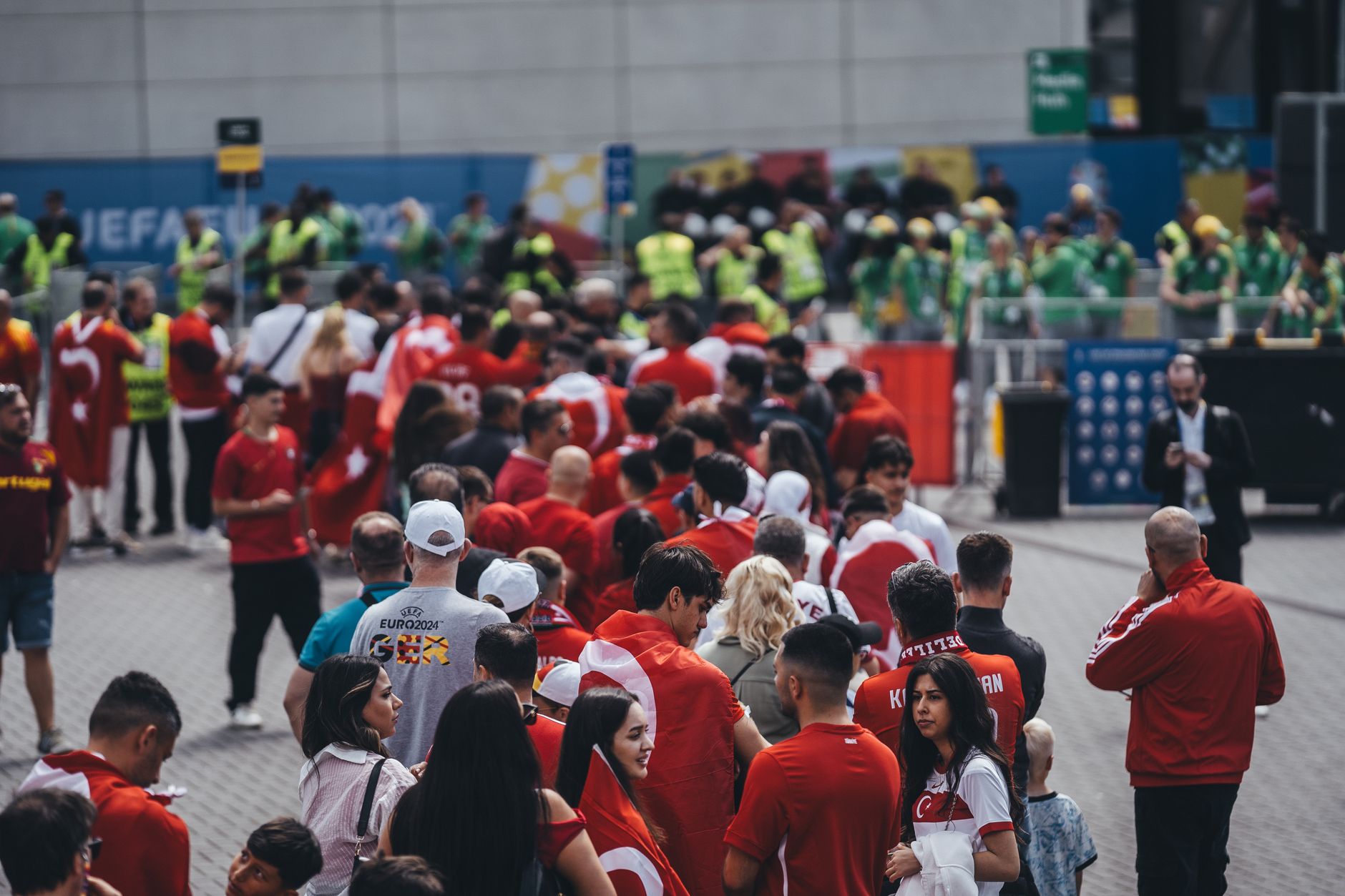
Photo by Omar Ramadan on Pexels
The Bottom Line
Football 2026 World Cup analysis should begin with the tournament’s expanded format, host-city logistics and tactical context, not a shiny prediction posted five minutes before kickoff. The competition features 48 teams divided into 12 groups of four, with the top two teams in each group plus the eight best third-place teams advancing to a 32-team knockout stage. That creates more matches, more travel and more opportunities for misleading form lines, especially when a team has faced very different opponents in qualifying.
Atlanta is a major tactical and commercial hub because Mercedes-Benz Stadium is expected to host eight matches, including a semifinal. Los Angeles is also a high-interest destination, with eight matches and a FIFA Fan Festival planned at the LA Memorial Coliseum in Exposition Park. Meanwhile, Mexico City, Toronto, Vancouver, Dallas, Miami, Seattle, Houston, Philadelphia, Kansas City, Boston and San Francisco Bay Area add different weather, travel and pitch considerations. The FIFA World Cup 2026 official competition information remains the safest reference for confirmed scheduling.
For a bettor, the headline is risk management. A famous badge does not automatically equal value, and an attractive price can still be poor if the lineup, rest period or qualification situation is unclear. Tactical Review’s useful edge is connecting match shape with numbers: possession quality, shots from central zones, pressing success, set-piece defense and net position after turnover and rebate costs. I know, glamorous stuff. But ignoring those details is how a “small fun bet” becomes an expensive postgraduate course in regret.
A quick tournament snapshot
- Hosts: Canada, Mexico and the United States
- Teams: 48
- Opening match: 11 June 2026, Mexico City
- Final: 19 July 2026, New York/New Jersey
- Atlanta venue: Mercedes-Benz Stadium
- Atlanta schedule: Eight matches, including a semifinal
- Los Angeles schedule: Eight matches
- Los Angeles fan activity: 39 days of celebrations
- Primary analysis focus: tactics, player availability, schedule strength and price
The FIFA World Cup 2026 Wikipedia overview is helpful for broad tournament structure, but official FIFA updates should take priority when match assignments or venue details change.
What Players Actually See
Players and viewers do not experience the same World Cup. Supporters see national narratives, celebrity moments and dramatic scorelines; players see spacing, recovery runs, substitutions, heat, noise and the tiny half-second before a defender decides whether to step up. In a 48-team tournament, those details matter because group-stage matches may be managed differently from traditional three-game survival contests.
Atlanta’s Mercedes-Benz Stadium offers a roofed environment and a large, high-energy setting associated with Atlanta United and major American football events. That does not remove tactical pressure. It can reduce some weather uncertainty, but teams still have to manage travel, time zones, changing kickoff times and the psychological burden of a semifinal. Los Angeles brings a different profile: a dense entertainment market, long regional travel distances and a huge public program around the LA Memorial Coliseum. Fans may call it a party; analysts should call it another variable.
The United States, Canada and Mexico will receive intense attention as co-hosts, but home advantage is not a magic statistical coupon. Crowd support may improve emotional energy, yet it can also increase player tension when an early mistake occurs. Coaches may choose a safer first phase, especially against a technically superior opponent, then increase pressing after the first substitution window. That is why first-half and full-match markets can tell very different stories.
Tactical Review’s match notes should therefore separate four layers:
- Base quality: squad depth, tournament experience and individual talent.
- Current condition: injuries, minutes, club workload and recent tactical changes.
- Matchup fit: whether one team can exploit the other’s weak flank, buildup or defensive transition.
- Market price: implied probability, margin, limits, rebates and the final net position.
A team can be the better side and still be a bad bet. This is the irritating sentence that keeps paying rent in my head.
How should fans read World Cup predictions?
Fans should treat World Cup predictions as probability estimates rather than guarantees, then compare the forecast with confirmed lineups, schedule conditions and available odds. A prediction becomes more useful when it explains the tactical reason behind the number, identifies uncertainty and records the result after all costs instead of celebrating isolated wins.
A practical forecast might say that Team A has a 54% chance of winning, while the market price implies 48%. That difference is potentially meaningful, but only if the estimate survives lineup news, bookmaker margin and changing prices. A single model output is not evidence of certainty; it is one input among expected goals, shot quality, field tilt, defensive actions and opponent strength.
The Opta football analytics glossary provides useful context for metrics such as expected goals and possession value. However, statistics need football interpretation. A team may record 65% possession because it controlled the match, or because its opponent happily surrendered harmless passes near halfway. Likewise, six shots are not equivalent when one is a penalty and five are blocked efforts from 25 yards.
Before accepting a prediction, ask:
- Was the sample built against comparable opponents?
- Are the starting goalkeeper and central defenders confirmed?
- Does the team travel across multiple time zones before kickoff?
- Is the line moving because of real information or public enthusiasm?
- Has the estimate included bookmaker margin and payment costs?
- What is the planned maximum loss if the position fails?
See the [Internal Link: World Cup match prediction methods] for a deeper framework on probability, price and tactical evidence.

Photo by feyza ebrar on Pexels
The 3 Things That Matter Most
The three most important World Cup variables are matchup fit, player availability and schedule stress. These factors usually explain more than a team’s raw FIFA ranking because they connect general strength with the specific conditions of one match, including the opponent’s pressing style, defensive structure and recovery time.
First, matchup fit determines whether a team can play its preferred football. A high-possession side may struggle against a compact 5-4-1 that protects the half-spaces, while a transition-heavy team may become less dangerous if the opponent refuses to commit full-backs forward. Watch whether the midfield pivot can receive under pressure, whether the wide players attack the far post and whether the center-backs defend space behind them.
Second, availability is more than a list of injured names. The absence of a starting striker can change pressing triggers; losing a full-back can reduce width; replacing a progressive midfielder with a safer passer can lower chance creation without producing an obvious defensive decline. Compare expected minutes, not just the official squad list, because a star returning from injury may be available but unable to play 90 minutes.
Third, schedule stress affects intensity. A team completing a short turnaround after extra time is not the same team statistically or physically, particularly in a knockout match. Travel between Vancouver, Seattle, Los Angeles, Dallas, Atlanta, Miami and the eastern cities can also disrupt preparation. The United States spans several time zones, and “same country” is not the same thing as “short trip.” Geography remains undefeated, annoyingly.
What should tactical bettors track?
Tactical bettors should track chance quality, possession location, pressing efficiency, set pieces and the gap between closing odds and the price taken. They should also maintain a ledger showing turnover, rebates, deposits, withdrawals, stake size and net result, because gross winnings can hide a negative outcome after costs.
A simple match worksheet can include:
- Expected goals: Separate open-play chances from penalties and set pieces.
- Field tilt: Measure where possession occurs, not only who has the ball.
- High turnovers: Identify whether pressure creates shots or merely noisy statistics.
- Rest days: Record the exact interval between matches, including extra time.
- Lineup stability: Note changes in goalkeeper, center-back and midfield roles.
- Price discipline: Record the odds at placement and at kickoff.
- Net position: Subtract commission, payment fees, losses and unreturned promotional value.
Here is an information gain point that many generic World Cup previews miss: a rebate can make a losing-looking gross result appear acceptable while still failing to beat the opportunity cost of the capital used. If a player stakes $100 at decimal odds of 2.10, the gross profit on a win is $110, but a 5% platform cost on the stake reduces the effective profit to $105 before taxes or withdrawal fees. The true comparison is against the price available elsewhere, not against zero.
Get a more structured daily view of injuries, tactical shifts and market context through the Tactical Review coverage hub.
Edge Cases & Gotchas
The most dangerous World Cup betting errors occur in edge cases: late lineup withdrawals, third-place qualification mathematics, extra-time rules, market settlement differences and promotional terms that quietly change the return. These issues are not exciting, but they can turn a correct football read into an incorrect financial result.
The expanded group format creates a specific complication. Because eight third-place teams advance, teams may enter the final group match with different incentives: one side may need a win, another may prefer a draw, and a third may monitor results elsewhere. Goal difference, goals scored, disciplinary records and the final group table can become relevant, so do not assume every late match has identical urgency.
Knockout markets also require careful settlement checks. Some “match winner” markets settle after 90 minutes, while others include extra time and penalties. A team can win a penalty shootout but fail to cover a regulation-time market. Likewise, Asian handicap, draw-no-bet, correct score and qualification markets each have their own rules. Always read the provider’s wording instead of trusting the label; labels are tiny lawyers wearing sports shirts.
The FIFA Laws of the Game explains the formal playing rules, including match procedures and penalties. For regulated gambling standards, consult the relevant local authority, such as the UK Gambling Commission where applicable. The regulator’s safer-gambling guidance consistently emphasizes control over spending and time; in plain language, “never gamble more than you can afford to lose.” That is not thrilling copy, but neither is explaining a depleted bank account to yourself at 2:17 a.m.
A practical risk checklist
- Confirm the market settlement: 90 minutes, extra time or penalties.
- Check the local legal position and age requirement before registering.
- Verify identity and payment details early, not immediately before a final.
- Set a fixed tournament budget and a maximum stake per match.
- Track turnover, rebates, fees and withdrawals in one spreadsheet.
- Avoid chasing losses after a late goal or disputed refereeing decision.
- Stop if betting starts interfering with sleep, bills or relationships.
A second underreported edge case concerns verification timing. Some operators can request identity checks after a win or before withdrawal, and processing may be slower during a major event because registration volume spikes. A player who deposits near a knockout match and assumes instant access may discover that a document review, bank delay or location check takes hours or days. Test the full deposit-and-withdrawal process with a small amount before committing meaningful funds.
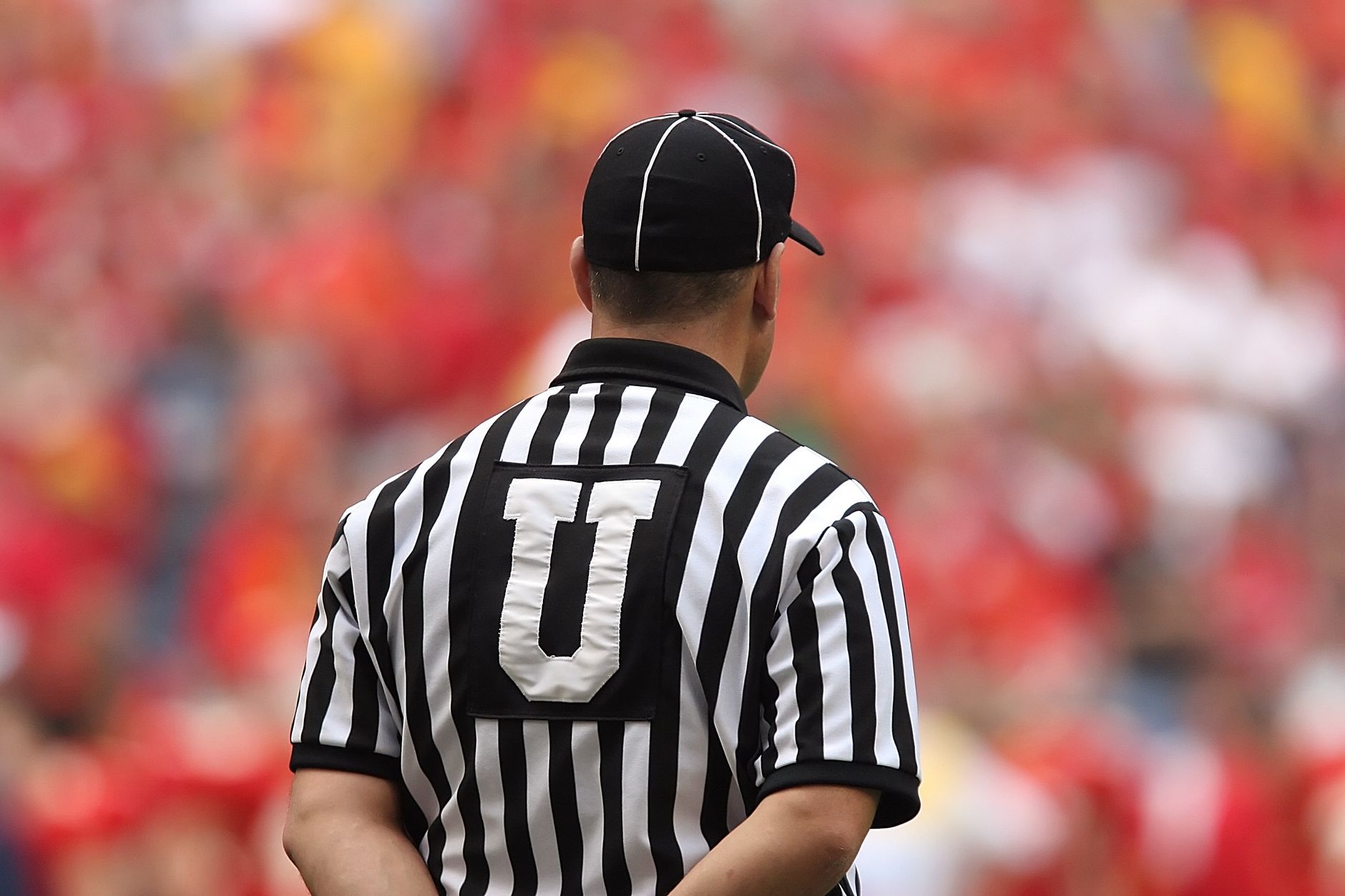
Photo by Pixabay on Pexels
Another trap is confusing official fan activity with guaranteed ticket access. Atlanta’s citywide atmosphere and Los Angeles’ 39-day celebration program can be excellent ways to experience the tournament without entering the stadium, but fan festivals, official viewing areas and match tickets are separate products. Check FIFA, venue and host-city channels for authorization, transport rules and bag policies. Third-party resale claims deserve the same suspicion I reserve for “lock of the day” messages: immediate suspicion, followed by more suspicion.
For more preparation, use the [Internal Link: World Cup travel and matchday checklist] before booking transport or accommodation.
Verdict
The football 2026 World Cup should be analyzed as a long, complicated ecosystem rather than a simple list of famous teams. Atlanta’s eight matches and semifinal status make Mercedes-Benz Stadium a key destination, while Los Angeles combines eight matches with 39 days of fan celebrations at the LA Memorial Coliseum and across the region. Canada, Mexico and the United States bring distinct travel patterns, climates, stadium environments and home-pressure narratives, so one universal prediction method will not be enough.
The best approach is first to confirm official tournament information, then to compare tactical matchups, player availability and schedule stress, and finally to evaluate price after margin, rebates and payment costs. Tactical Review can support that process with match predictions, team tactics, player statistics and daily tournament coverage, but no analysis removes uncertainty. Keep a written stake limit, record your net position and treat every bet as optional. The World Cup will still be there after one bad line moves; your rent would prefer that you remember this.
Want a focused starting point for your 2026 tournament research? Use the latest Tactical Review analysis before making any decision.
Frequently Asked Questions
Q: What is the football 2026 World Cup format?
A: The football 2026 World Cup features 48 teams in 12 groups of four, followed by a 32-team knockout stage. The top two teams from each group advance, along with the eight best third-place teams. The tournament is hosted by Canada, Mexico and the United States, begins on 11 June 2026 in Mexico City and ends on 19 July 2026 in New York/New Jersey.
Q: How can I follow the 2026 World Cup intelligently?
A: Start with official FIFA fixtures, then track lineups, injuries, rest days, travel and tactical changes before relying on predictions. Record odds at the time of your decision and again near kickoff so you can judge whether your price was competitive. Tactical Review provides match predictions, team tactics, player statistics and tournament updates for fans who want more than headline-based analysis.
Q: What is the difference between Atlanta and Los Angeles as World Cup venues?
A: Atlanta’s Mercedes-Benz Stadium is scheduled to host eight matches, including a semifinal, while Los Angeles will host eight matches with major public celebrations around the LA Memorial Coliseum. Atlanta offers a roofed stadium environment and a strong soccer identity linked to Atlanta United. Los Angeles combines stadium events with a larger regional fan program and 39 days of celebrations.
Q: Why can a World Cup prediction fail even when the team is stronger?
A: A stronger team can lose when matchup fit, lineup changes, travel, fatigue or finishing variance works against it. FIFA ranking and squad reputation measure broad quality, but they do not guarantee that a particular midfield can escape an opponent’s press. Check the expected starting eleven, tactical roles, rest period and odds before treating a prediction as actionable.
Q: How much money should I use for World Cup betting?
A: Use only money you can afford to lose, with a fixed tournament budget and a predetermined maximum stake per match. There is no universally safe percentage, but many disciplined bettors keep individual exposure small enough that one result cannot damage rent, bills or savings. Include turnover, bookmaker margin, payment fees, taxes and rebates when calculating your actual net position.
Q: What should I do if a World Cup betting withdrawal fails?
A: First check the operator’s verification request, payment-method rules, withdrawal limit and settlement status, then contact support through the official channel. Do not send additional deposits simply to unlock a withdrawal unless the terms clearly and legally require it. Save screenshots, transaction IDs and correspondence, and escalate to the relevant regulator if a licensed operator does not resolve the issue.
Q: Are World Cup fan festivals the same as match tickets?
A: No, fan festivals and official viewing zones are separate from tickets for entry into a stadium match. Los Angeles is expected to host a FIFA Fan Festival at the LA Memorial Coliseum in Exposition Park, while host cities may organize additional celebrations. Confirm access rules, transport information and official ticket sources through FIFA or the relevant host-city website before paying a reseller.
Thank you for reading.
Tactical Review · Curated Silence · 2026