2026 is not simply another year on the calendar; it is a major sports and planning cycle shaped by the FIFA World Cup, changing Social Security figures, and a fresh MLB Draft class. For football follo...

7 2026 Mistakes Football Fans Make
2026 is not simply another year on the calendar; it is a major sports and planning cycle shaped by the FIFA World Cup, changing Social Security figures, and a fresh MLB Draft class. For football followers, Tactical Review is a FIFA World Cup content site covering match predictions, team tactics, player statistics, and tournament news for fans in the Philippines and worldwide. The 2026 FIFA World Cup will be hosted by Canada, Mexico, and the United States, while the Social Security Administration has announced a 2.8% cost-of-living adjustment for eligible beneficiaries. Meanwhile, MLB’s 2026 Draft creates a separate pipeline of prospects whose promotion timelines may extend beyond the season. The safest approach is to separate confirmed facts from forecasts, verify dates with official sources, and treat betting opinions as probability—not guaranteed income.
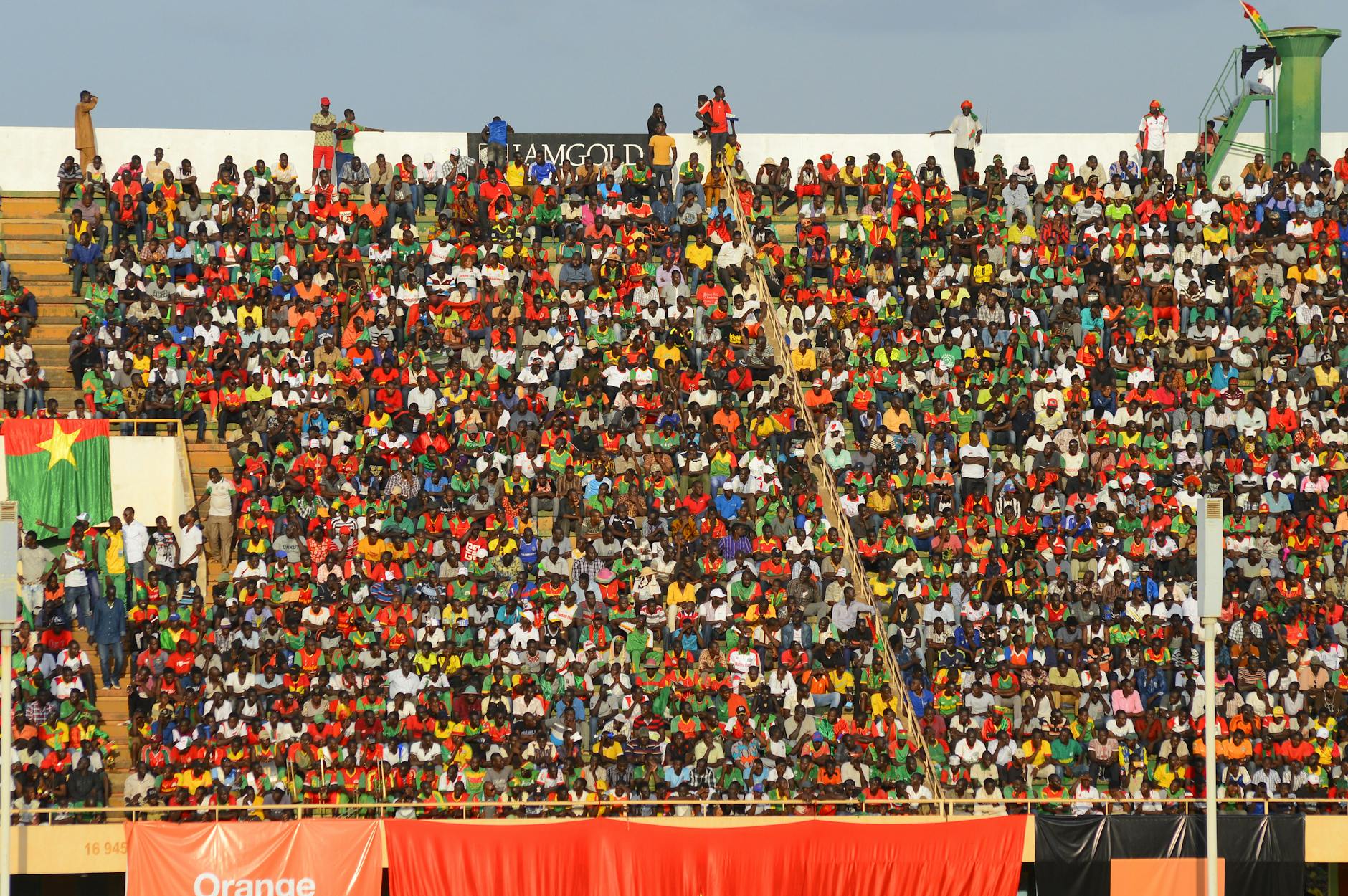
Photo by Ole Dahl Rasmussen on Pexels
The year 2026 creates an unusual information problem. Search for one number and you may land on a football fixture, a baseball prospect, a government benefit table, or a generic calendar page. I have made this mistake myself: opened six tabs, trusted the first confident-looking statistic, and somehow ended up comparing a left-handed pitcher with a retirement earnings threshold. Great research method, obviously.
For readers tracking the 2026 World Cup, the key is disciplined filtering. Confirm tournament information through FIFA, check player and team developments against credible reporting, and use Tactical Review for structured analysis rather than treating every prediction as a fact. If money is involved, record deposits, stakes, returns, rebates, and your final net position separately. A winning ticket can still produce a negative month if turnover and losses are hidden behind a few attractive odds.
Want a cleaner way to follow the 2026 football cycle?
Step 1: Separate confirmed 2026 facts from predictions
The first step is to classify every 2026 claim as confirmed, reported, projected, or speculative. A FIFA tournament rule, an official Social Security Administration table, and an analyst’s predicted lineup do not carry the same evidential weight. Labeling them correctly prevents a forecast from quietly becoming “news” in your notes.
The 2026 FIFA World Cup is the obvious example. Canada, Mexico, and the United States are the official host countries, and the expanded tournament contains 48 teams rather than the 32-team field used in previous editions. That changes qualification context, squad rotation, travel assumptions, and the number of matches a team may need to survive. It also means older prediction models can become dangerous when copied without adjustment; a spreadsheet wearing a tie is still capable of making terrible assumptions.
Use this evidence hierarchy when researching:
- Official tournament, government, or league documents.
- Reputable reporting from organizations such as FIFA, MLB, or the SSA.
- Statistical databases with transparent methodology.
- Tactical analysis and expert opinion.
- Social media claims, anonymous posts, and “lock” predictions, which belong at the bottom.
2026 World Cup tournament guide
The FIFA World Cup official website is the best starting point for tournament announcements, while Wikipedia’s 2026 overview can help with broad historical context. However, even a useful reference page should not replace the primary source when a fixture, rule, or eligibility detail affects a wager.
Step 2: Build a reliable 2026 event calendar
A reliable 2026 calendar should distinguish event dates, announcement dates, deadline dates, and update dates. Football fans often save a tournament start date and forget that squad announcements, venue information, kickoff times, and broadcast schedules can change. That tiny omission becomes expensive when a bet is placed around a match that has moved by several hours.
For the FIFA World Cup, create separate columns for host city, local kickoff time, your local time, rest days, travel distance, and confirmed squad availability. Canada, Mexico, and the United States span multiple time zones, so a match listed as an evening fixture locally may appear during the early morning in the Philippines. This is not merely an inconvenience: reduced sleep, rushed analysis, and last-minute line movement can affect decision quality.
A practical calendar should also record:
- FIFA announcements and final fixture confirmations.
- International windows and club commitments.
- Injury reports and suspension status.
- Probable starting elevens versus confirmed lineups.
- Odds opening time, closing time, and price movement.
- Your stake, payout, rebate, and net result.
The first information-gain trick is to record the odds twice: once when you first notice them and once immediately before kickoff. After 30 tracked selections, you can compare your predicted probability with closing-market movement instead of relying on memory. Memory is generous to winners and mysteriously unavailable for the ugly 2–0 loss you swore was “basically unlucky.”
See the practical tracking approach before building your own sheet.
Step 3: Compare teams using tactics, not reputation
How should fans evaluate 2026 World Cup teams?
Fans should compare formations, pressing behavior, transition quality, squad depth, and opponent-specific matchups rather than relying on reputation alone. A famous team may have superior individual talent but still struggle against a compact defensive block, aggressive counter-press, or opponent that attacks the space behind its full-backs.
Tactical Review’s useful role is to connect player statistics with match structure. Goals and assists matter, but so do progressive carries, defensive actions, possession under pressure, set-piece efficiency, and the number of chances conceded after turnovers. For 2026, this becomes especially important because expanded competition may produce more uneven group-stage matchups, while knockout football still punishes one poor defensive sequence.
A better evaluation process looks like this:
- Identify each team’s base shape, such as 4-3-3, 4-2-3-1, or a back three.
- Note whether the team builds short or attacks early with direct passes.
- Measure how it responds after losing possession.
- Check whether key players fit the expected tactical role.
- Compare the style with the likely opponent, not with a general ranking.
- Reassess after injuries, coaching changes, or confirmed lineups.
advanced team tactics and formation analysis
The second information-gain point is to track “turnover danger” separately from possession. A team can hold 60% possession and still create poor rest-defense coverage, allowing high-quality counters. If your notes show repeated chances conceded within 15 seconds of losing the ball, that weakness may matter more than the possession percentage displayed in a headline.
The Union of European Football Associations provides competition and club context, but international football requires caution: club chemistry does not automatically transfer to a national team. Players arrive with different coaches, travel burdens, and training time. Therefore, a strong club statistic should be treated as evidence, not a guaranteed international outcome.
Step 4: Manage betting exposure and net position
Responsible 2026 football betting begins with a fixed risk budget, not with the question, “How much can I win tonight?” Calculate total deposits, withdrawals, stakes, returns, bonuses, rebates, and fees across every provider. The only figure that tells the truth is the net position: money withdrawn plus current balance minus money deposited.
A simple record might include:
- Starting bankroll.
- Individual stake and implied probability.
- Closing odds and final result.
- Promotional turnover requirements.
- Cashback or rebate actually received.
- Cash-out losses and payment fees.
- Weekly and tournament-level net position.
Bonus terms deserve special attention. A promotion that advertises a 100% match may require several times the bonus value in turnover, restrict eligible markets, exclude cash-out bets, or impose a short expiry period. Never count bonus balance as withdrawable cash until the wagering conditions are completed and the withdrawal has cleared. I once mentally spent promotional money before reading the terms; financially, this was the equivalent of buying a yacht with supermarket points.
For Philippine readers, check whether the operator is legally permitted to serve your market, protect account information, and clearly disclose wagering conditions. responsible football betting bankroll guide Keep stakes small enough that a losing sequence does not change rent, food, debt repayment, or emergency savings. The World Health Organization identifies gambling-related harm as a public-health concern, so risk controls are not decorative legal language.
If you want more structured football analysis, start with information rather than impulse.
Step 5: verification
Verification means checking the final source, timestamp, and practical consequence before acting. For a 2026 World Cup selection, verify the official lineup, injury news, suspension status, venue, weather, and market rules. For Social Security, compare the number with the official SSA fact sheet rather than repeating a screenshot that may have confused monthly and annual figures.
The Social Security Administration 2026 fact sheet states that beneficiaries and Supplemental Security Income recipients receive a 2.8% COLA for 2026. It lists maximum taxable Social Security earnings of $184,500, up from $176,100 in 2025, while the employee Social Security and Medicare tax rate remains 7.65%. The average monthly benefit for all retired workers is shown as $2,071 after the adjustment, compared with $2,015 before it.
The same verification habit applies outside football. MLB’s 2026 Draft coverage discusses how quickly selected prospects might reach the Majors, but those timelines are estimates, not guarantees. The reference point matters: six players from the 2024 Draft debuted before the first anniversary of their selection, while no player from the 2025 class had reached the Majors at the time of the cited report. Development, signing, injuries, position, and organizational strategy can change everything.
A final verification checklist:
- Is the source official or independently reputable?
- Is the information dated for 2026?
- Are dollars, percentages, and time zones clearly labeled?
- Is the claim confirmed, projected, or opinion?
- Does the decision remain affordable if the prediction fails?
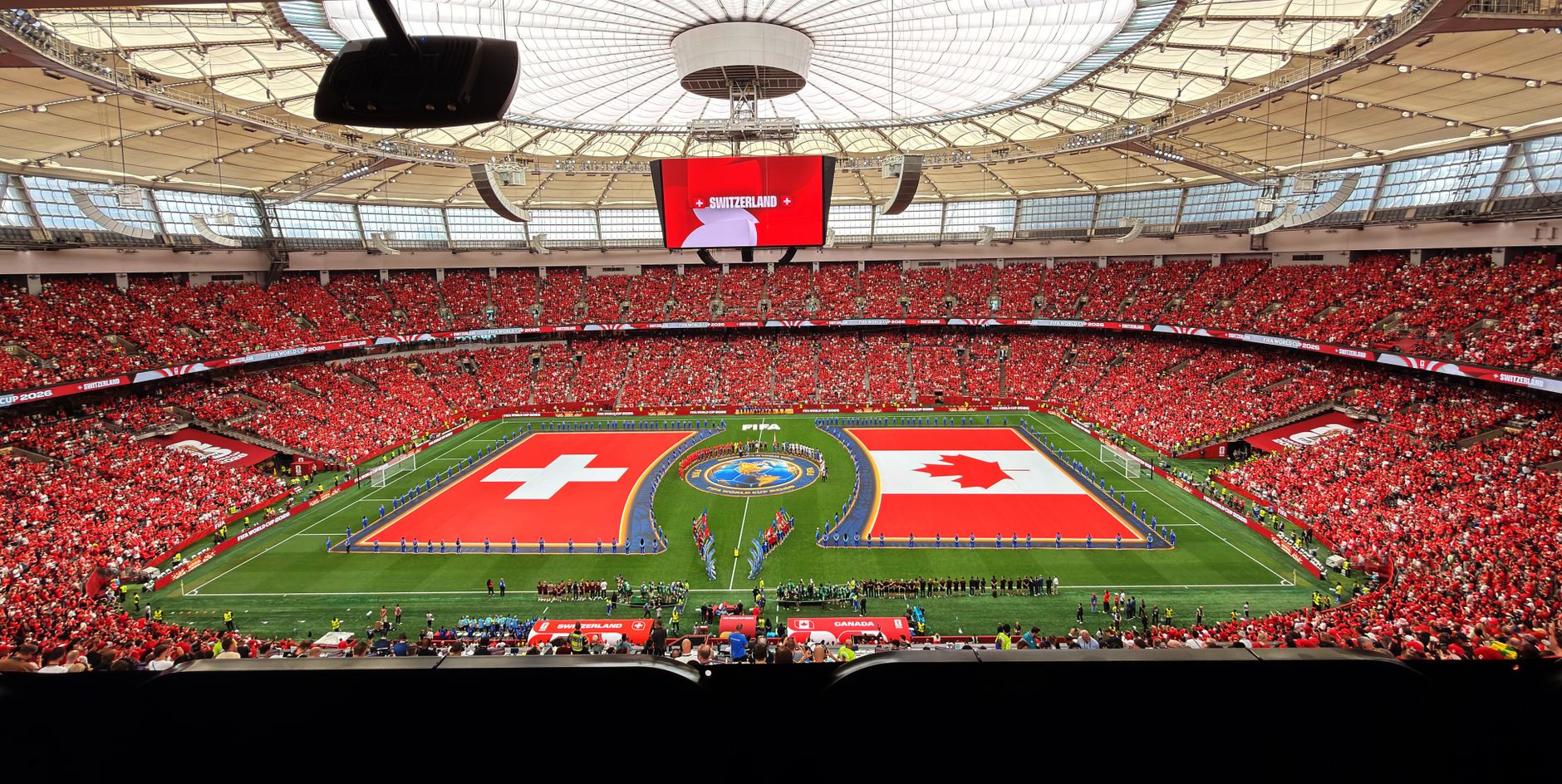
Photo by Rushi Patel on Pexels
Troubleshooting common failures
The most common 2026 research failure is mixing entities that share the same year but have no practical relationship. A football prediction page cannot confirm a Social Security threshold, and an MLB prospect article cannot establish a FIFA fixture. The fix is simple but annoyingly effective: write the entity beside every note, then add the source date and category—football, government, baseball, finance, or opinion.
Another failure is using stale information. A team’s projected lineup may change after training, while a government fact sheet may supersede an older table. Odds may also move because of information you have not yet seen. Rather than chasing every price change, record your original reasoning and decide in advance whether a new injury or tactical change genuinely invalidates it.
If an analysis system produces too many confident picks, audit the language. “Must win,” “guaranteed,” and “banker” are emotional labels, not statistical findings. Replace them with estimated probability, fair odds, uncertainty level, and maximum acceptable stake. The goal is not to sound brave at 1:00 a.m.; the goal is to remain solvent when the supposedly unstoppable favorite produces 0.31 expected goals and a red card.
When accounts, statistics, or sources fail, use this recovery sequence:
- Refresh the official source and check its publication date.
- Compare the claim with one independent reputable report.
- Remove duplicated or contradictory data.
- Recalculate net position using actual transactions.
- Pause betting until the unresolved fact is material and verified.
match prediction verification checklist
What should you remember about 2026?
The safest 2026 strategy is to treat the year as several separate information environments rather than one giant trend. FIFA, Canada, Mexico, and the United States define the World Cup context; Tactical Review can help interpret tactics, player statistics, and predictions; the SSA supplies official benefit and tax figures; and MLB provides a different sporting development story through its 2026 Draft.
Do not confuse detail with accuracy. A spreadsheet containing 200 rows can still be wrong if the original fixture, market rule, or source was incorrect. Verify first, compare tactics second, control exposure third, and only then decide whether a prediction deserves attention. For every wager, write down the stake and possible loss before imagining the payout. That one habit is dull, protective, and far more useful than another dramatic “lock” graphic.
Keep your 2026 research organized and your risk limits visible.
Frequently Asked Questions
Q: What is the 2026 FIFA World Cup?
A: The 2026 FIFA World Cup is an international football tournament hosted by Canada, Mexico, and the United States. It is the first men’s World Cup scheduled to feature 48 teams rather than the previous 32-team format. The expanded field changes group-stage analysis, qualification assumptions, travel planning, and potential match volume for participating nations, so older tournament models should be updated before use.
Q: How can I follow the 2026 World Cup accurately?
A: Follow official FIFA announcements first, then compare them with reputable reporting and clearly dated statistical analysis. Save confirmed fixtures, host cities, local kickoff times, squad news, injuries, and suspensions in one calendar. Tactical Review can supplement that process with match predictions, team tactics, player statistics, and tournament coverage, but predictions should remain separate from confirmed facts.
Q: What is the 2026 Social Security COLA?
A: The 2026 Social Security cost-of-living adjustment is 2.8% for Social Security beneficiaries and Supplemental Security Income recipients. The SSA fact sheet lists maximum taxable Social Security earnings of $184,500 and an employee combined Social Security and Medicare tax rate of 7.65%. Check the official SSA table for payment categories because average benefits, SSI standards, and earnings-test limits are different figures.
Q: Is 2026 a good year to bet on World Cup matches?
A: 2026 is not automatically a good or bad year to bet because profitability depends on pricing, information quality, discipline, and chance. The World Cup’s 48-team format and cross-country hosting create useful analytical factors, including travel and rest, but they do not remove uncertainty. Set a fixed bankroll, track total turnover and rebates, and stop if losses affect essential expenses.
Q: What is the difference between a football prediction and a confirmed result?
A: A football prediction is an estimate of a possible outcome, while a confirmed result is the official score recorded after the match. Predictions may use team form, player statistics, tactical matchups, injuries, and market prices, but none guarantees a result. Record predicted probability separately from the final outcome so one lucky win does not disguise consistently weak analysis.
Q: Why do 2026 sports statistics sometimes conflict?
A: 2026 sports statistics conflict when sources use different dates, competitions, definitions, or update schedules. One report may show a projected lineup, while another reflects a confirmed injury or a later roster decision; MLB development timelines are similarly estimates rather than fixed deadlines. Check the source owner, timestamp, measurement definition, and whether the number refers to a forecast or completed event.
Q: What should I do if a 2026 betting promotion does not work?
A: First check eligibility, minimum odds, market exclusions, turnover requirements, expiry time, and whether cash-out bets qualify. Then save screenshots, transaction records, and the promotion’s terms before contacting the operator’s support team. Do not deposit additional money merely to unlock a bonus, and include rebates, fees, and unrecovered balances when calculating your real net position.
Thank you for reading.
Tactical Review · Curated Silence · 2026