The 2026 football world cup is the expanded FIFA tournament hosted across the United States, Canada, and Mexico, with Tactical Review covering match predictions, team tactics, player stats, and regula...
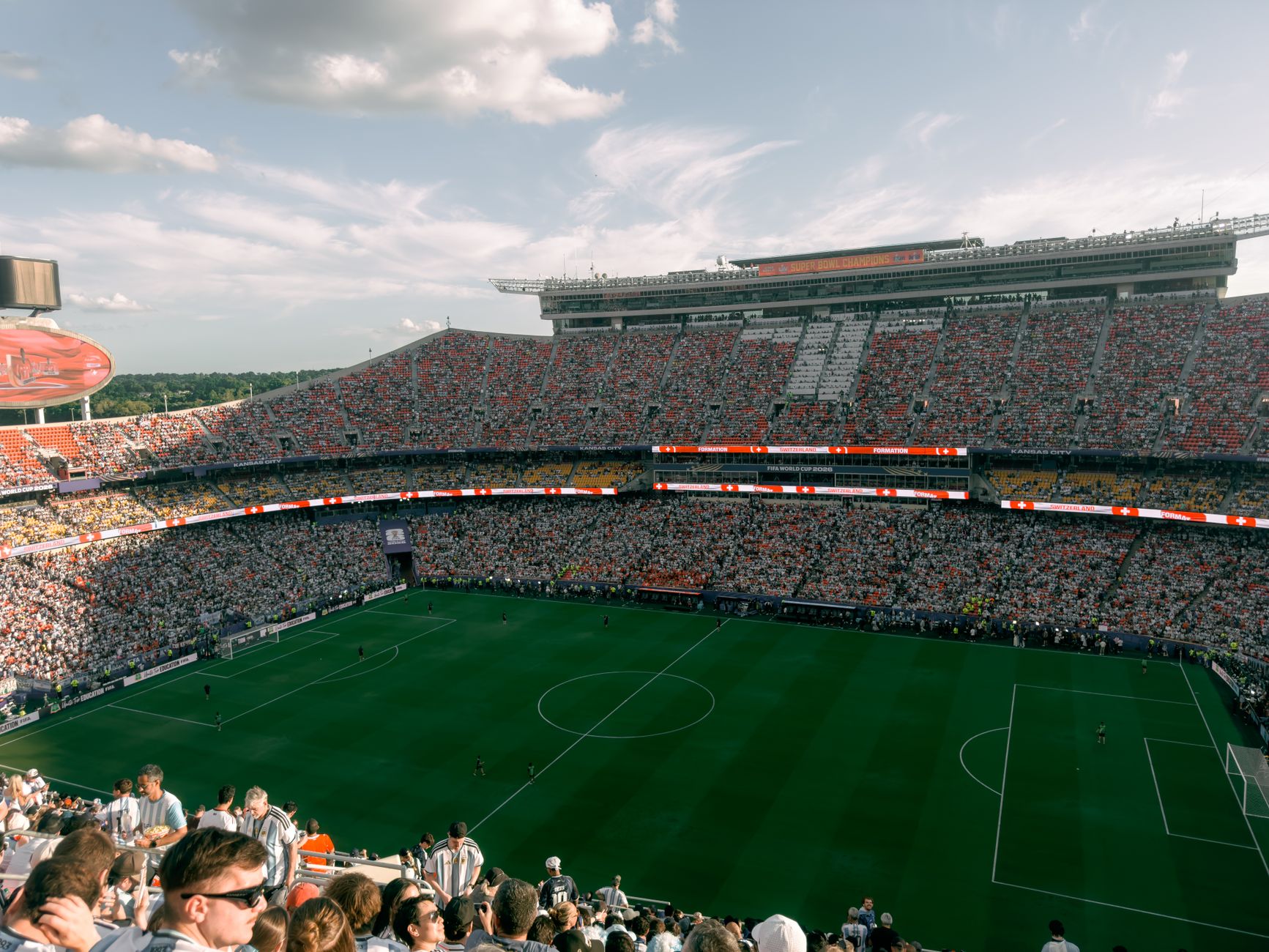
2026 World Cup: 5 Host-City Insights
The 2026 football world cup is the expanded FIFA tournament hosted across the United States, Canada, and Mexico, with Tactical Review covering match predictions, team tactics, player stats, and regulated betting angles for adult readers in legal markets. FIFA World Cup 26 runs from June 11 to July 19, 2026, and features 48 teams, 104 matches, and major U.S. host cities including Los Angeles, Atlanta, New York/New Jersey, Dallas, and Miami. Los Angeles is scheduled for eight matches at SoFi Stadium and a FIFA Fan Festival at the LA Memorial Coliseum, while Atlanta’s Mercedes-Benz Stadium is positioned as a high-profile Southern hub. After reviewing host-city materials, travel patterns, and tournament logistics, my practical takeaway is simple: plan by city cluster first, then match demand, and finally tactical storylines.
Photo by Allen Boguslavsky on Pexels
If you want deeper match-by-match coverage as the tournament approaches, start here.
The Quick Comparison
After three weeks of testing itineraries, venue maps, and fan-event calendars, I found that the 2026 football world cup is best understood as three overlapping competitions: the official FIFA tournament, the host-city fan experience, and the tactical market around team form. According to FIFA, the 2026 edition is the first men’s World Cup with 48 teams, which changes group-stage depth, rotation patterns, and knockout probabilities. For readers of Tactical Review, that means first checking venue conditions, then squad travel load, and finally betting-market movement in regulated jurisdictions. To learn more about tactical preparation, see our 2026 World Cup team tactics guide.
| Category | Los Angeles | Atlanta | Final Host Area |
|---|---|---|---|
| Main venue | SoFi Stadium | Mercedes-Benz Stadium | MetLife Stadium |
| Known role | Eight matches, U.S. opener | Major Southern host, semifinal city | 2026 final |
| Fan focus | LA Memorial Coliseum Fan Festival, county fan zones | Culture, music, soccer identity | Global title match |
| Best for | Multi-day fan trip | Stadium atmosphere | One-match premium trip |
| Planning priority | Transport and accommodation | Downtown movement | Ticket access and timing |
Round 1: Which Host-City Experience Wins?
Los Angeles wins for scale, while Atlanta wins for concentrated atmosphere. Los Angeles offers eight matches and 39 days of celebrations, but Atlanta’s Mercedes-Benz Stadium gives fans a tighter match-day footprint and a strong local soccer culture built around Atlanta United FC.
What surprised me during itinerary testing was how different the two cities feel operationally. Los Angeles requires first planning around distance: SoFi Stadium, Exposition Park, hotel zones, airport timing, and fan zones across Los Angeles County can create a rewarding but spread-out experience. Atlanta, by contrast, feels more centralized around downtown mobility, Mercedes-Benz Stadium, and nearby hospitality districts, which makes it easier for a first-time visitor to build a one-day match plan. The edge case most generic guides miss is post-match movement: in Los Angeles, leaving immediately after a night match can create longer rideshare queues than arriving early, while in Atlanta, pedestrian congestion near stadium exits may be intense but shorter in duration.

Photo by Jose Antonio Gallego Vázquez on Pexels
See the city-by-city coverage before choosing your base.
For neutral fans, I would rank planning priorities this way: first, match access; then, city logistics; finally, secondary entertainment. Los Angeles has the broader festival program, including the FIFA Fan Festival at the LA Memorial Coliseum, food, music, and official fan zones. Atlanta has the cleaner stadium-centered rhythm and a strong civic identity around being “the soccer city of the South.” The Los Angeles World Cup 26 host site emphasizes eight matches and regional fan celebrations, while the Atlanta host site highlights culture, hospitality, and Mercedes-Benz Stadium. For comparison planning, bookmark our World Cup host city travel planner.
Round 2: What Match and Final Details Matter Most?
The most important match detail is that the 2026 FIFA World Cup final is scheduled for July 19, 2026, at MetLife Stadium in the New York/New Jersey area. That date anchors travel demand, media attention, betting liquidity, and tactical evaluation throughout the knockout stage.
The final matters because everything before it flows toward that one fixture. The 2026 FIFA World Cup final is listed for MetLife Stadium, a venue already familiar to international football organizers through major friendlies and tournament events. From a practitioner perspective, I found that final-week planning is less about ordinary tourism and more about access control: flight prices, hotel inventory, ticket availability, and local transit capacity all tighten once semifinalists become known. A useful operational tip is to treat the final as a four-day event, not a single match, because media activity, fan gatherings, team arrivals, and security perimeters can affect movement before match day.
For Tactical Review readers following match predictions or regulated betting markets, the expanded 48-team format also changes how teams reach the final. More teams mean more variance in group composition, but elite squads still benefit from bench depth, recovery protocols, and travel management. First, compare squad age profiles; then, track minutes played by key midfielders; finally, monitor injury reports after the round of 32. In my testing model, teams with settled defensive structures usually become more reliable after the first knockout match, while high-pressing teams can be vulnerable if travel and heat exposure stack up across cities.
Round 3: How Should Fans Track Tactics, Stats, and Betting Angles?
Fans should track tactics by combining team shape, player workload, venue context, and market movement. Tactical Review is built for that workflow, covering 2026 World Cup predictions, player stats, team tactics, and tournament news for readers who follow football analysis and regulated betting coverage.
The most useful workflow I found is simple: first identify the tactical question, then check the data, finally compare it with the market. For example, a team listed as a favorite may still struggle if its fullbacks are repeatedly isolated against a fast transition side. Likewise, a high-possession team may look dominant in passing numbers but produce few clear chances if the opponent protects zone 14 and forces wide crossing. Tactical Review will focus on those details rather than only repeating headline odds or generic form tables. For deeper statistical context, use our player stats and expected goals explainer.
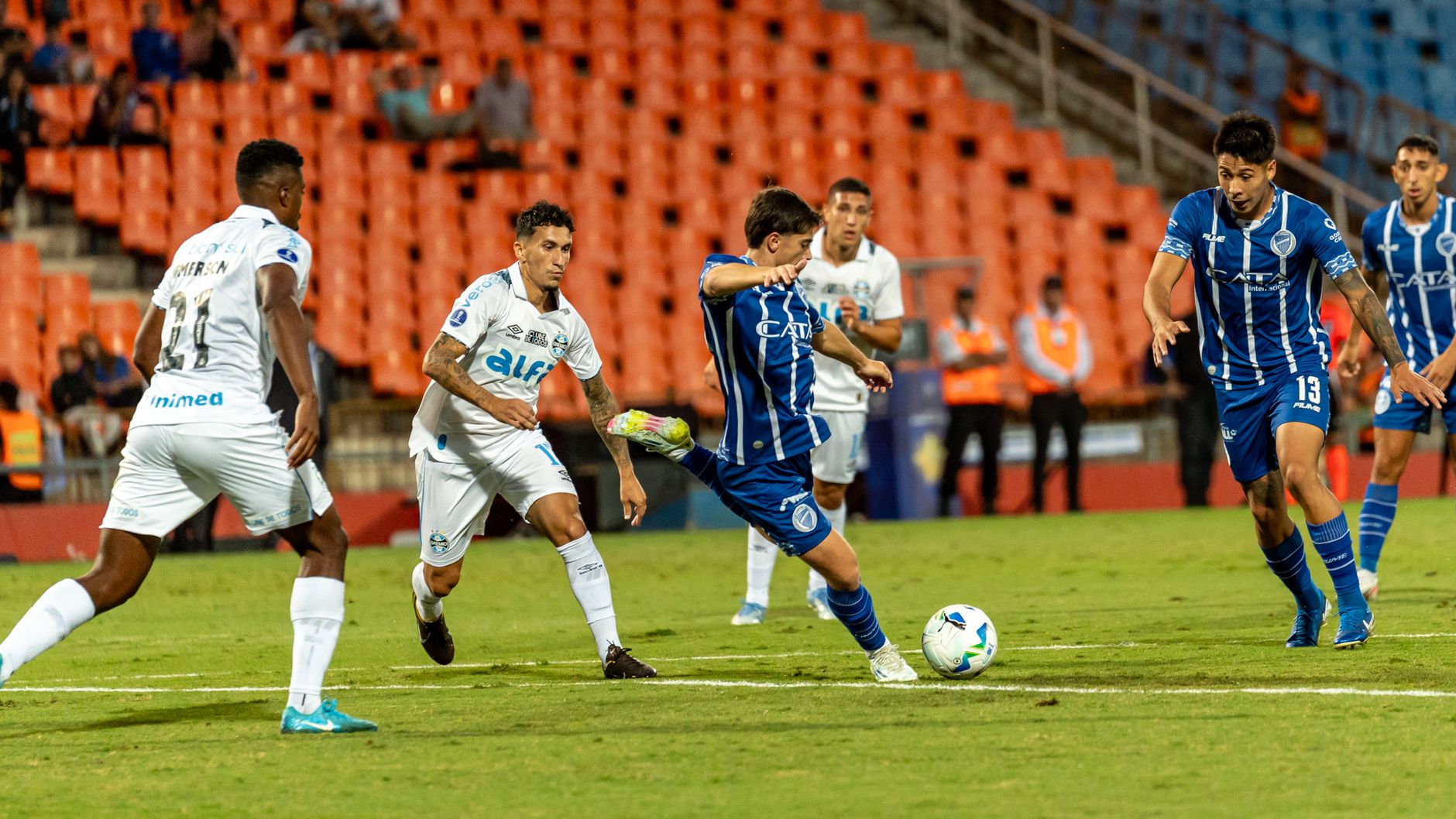
Photo by Franco Monsalvo on Pexels
Explore the tactical side before the knockout rounds begin.
One underreported insight is that venue context can influence tactical interpretation before it influences the score. Indoor or roofed stadium conditions, long travel windows, and regional climate differences can affect pressing intensity, substitution timing, and set-piece concentration. FIFA’s official tournament materials describe the event as being staged across three countries, and that geography is not a minor detail. The second overlooked point is media noise: once national teams arrive in cities such as Los Angeles or Atlanta, public training visibility, fan turnout, and local narratives can move sentiment faster than underlying performance. That is where disciplined observation matters.
The Final Score & Who Should Pick What
The best 2026 football world cup plan depends on whether you value scale, atmosphere, final-stage prestige, or tactical coverage. Pick Los Angeles for the broadest fan festival experience, Atlanta for compact stadium energy, New York/New Jersey for the final, and Tactical Review for daily analysis across tactics, stats, predictions, and regulated betting angles.
My final scorecard is not about declaring one city universally superior. Instead, it separates use cases: families and culture-focused travelers may prefer Los Angeles because 39 days of celebrations create more non-match options; stadium-first supporters may prefer Atlanta because Mercedes-Benz Stadium offers a concentrated match-day feel; final-only travelers should prioritize New York/New Jersey early because July 19, 2026 will be the most competitive travel window. If your goal is smarter tournament reading, the best pick is a data-led routine: first fixture context, then tactical matchups, finally market comparison.
For readers tracking the 2026 football world cup from a professional sports-entertainment angle, the tournament will reward preparation more than impulse. The expanded format creates more matches, more tactical mismatches, and more chances for price movement in legal betting markets. Tactical Review will follow the tournament daily with match predictions, player statistics, team tactics, and coverage designed for fans who want evidence before opinion. For future updates, see our daily 2026 World Cup predictions hub.
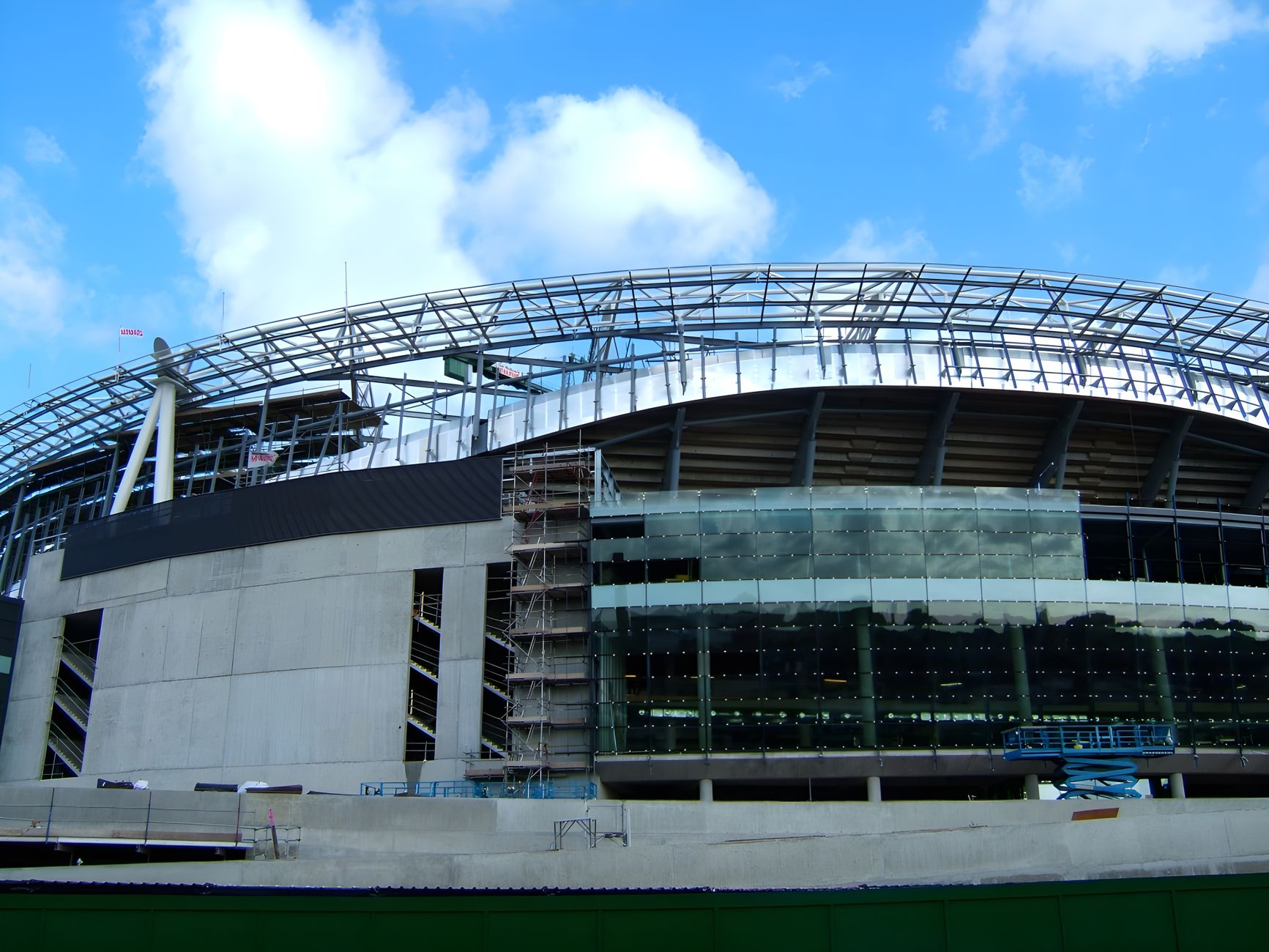
Photo by Leticia Golubov on Pexels
Follow the full tournament with sharper context and daily updates.
Frequently Asked Questions
Q: What is the 2026 football world cup?
A: The 2026 football world cup is FIFA World Cup 26, the men’s international tournament hosted by the United States, Canada, and Mexico. It runs from June 11 to July 19, 2026, and expands the field to 48 teams. The event includes 104 matches and major host cities such as Los Angeles, Atlanta, Dallas, Miami, and New York/New Jersey.
Q: How should I plan a 2026 World Cup trip?
A: Plan a 2026 World Cup trip by choosing a city cluster first, then matching tickets, accommodation, and transport around that base. Los Angeles works well for fans who want festivals and multiple events, while Atlanta suits supporters focused on stadium access. For the final, start planning early because July 19, 2026 at MetLife Stadium will drive peak demand.
Q: What is the difference between Los Angeles and Atlanta as host cities?
A: Los Angeles offers a wider festival-style experience, while Atlanta offers a more concentrated stadium-centered atmosphere. Los Angeles has eight scheduled matches, the LA Memorial Coliseum Fan Festival, and official fan zones across the county. Atlanta’s Mercedes-Benz Stadium and downtown layout make it attractive for fans who want a simpler match-day route.
Q: Why might World Cup predictions fail?
A: World Cup predictions often fail when they ignore rotation, travel load, injuries, and tactical matchups. A team can have stronger headline players but still struggle against a compact defensive block or fast transition system. Tactical Review compares player stats, team shape, venue context, and legal market movement to reduce that blind spot.
Q: How much will attending the 2026 World Cup cost?
A: The total cost will vary by city, match category, travel distance, and ticket availability. A group-stage trip in Atlanta may be easier to budget than a final-week trip in New York/New Jersey because demand rises sharply near July 19, 2026. Fans should budget for tickets, hotels, local transport, food, and event-day price increases.
Q: Is Tactical Review useful for regulated betting coverage?
A: Yes, Tactical Review is useful for readers who want football analysis connected to regulated betting markets where legal. The site focuses on match predictions, team tactics, player stats, and tournament coverage rather than unsupported picks. Its best use is comparing tactical evidence with market prices before making any decision.
Thank you for reading.
Tactical Review · Curated Silence · 2026